Once you’ve selected a professional painting company for your interior painting project, the next question is often, “How do I prepare my home?” While each painting company may have slightly different preferences, proper preparation helps ensure a smooth, efficient project and a safe environment for both your family and the painting team.
Below are One Above Painting’s best practices to help homeowners understand what to expect and how to prepare before our crew arrives. These guidelines are designed to protect your belongings, minimize disruptions, and set everyone up for success.
Preparing Fragile Items and Furniture
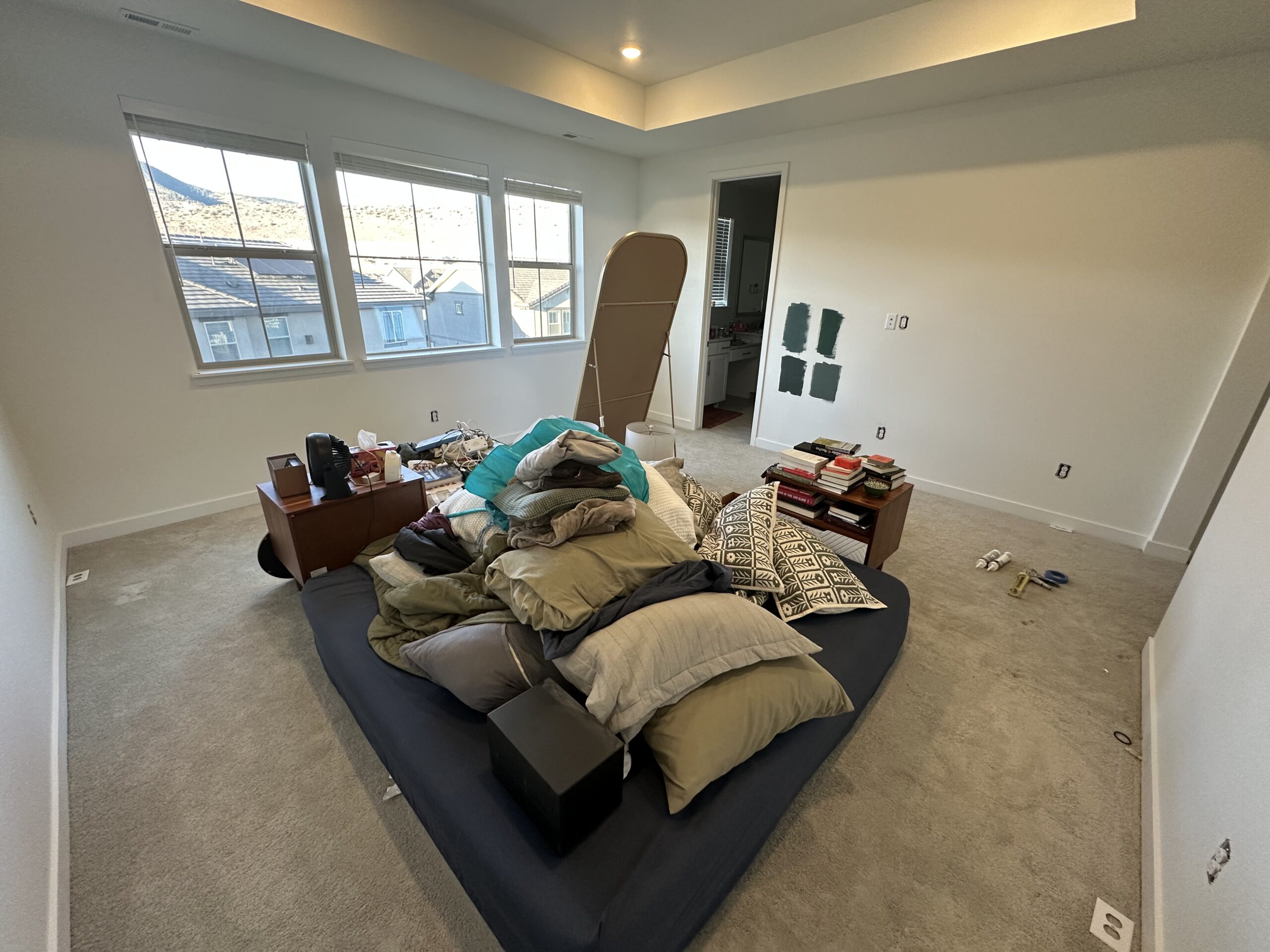
Before our painting team arrives, we ask homeowners to remove fragile items such as photos, artwork, mirrors, and décor from walls and furniture. We also ask that homeowners create a minimum of three feet of clear space away from the walls whenever possible.
While our team can assist with heavier items like dressers or bed frames, removing fragile belongings ahead of time significantly reduces the risk of accidental damage. Even with the utmost care, accidents can happen, and this step helps protect items that may be valuable or sentimental.
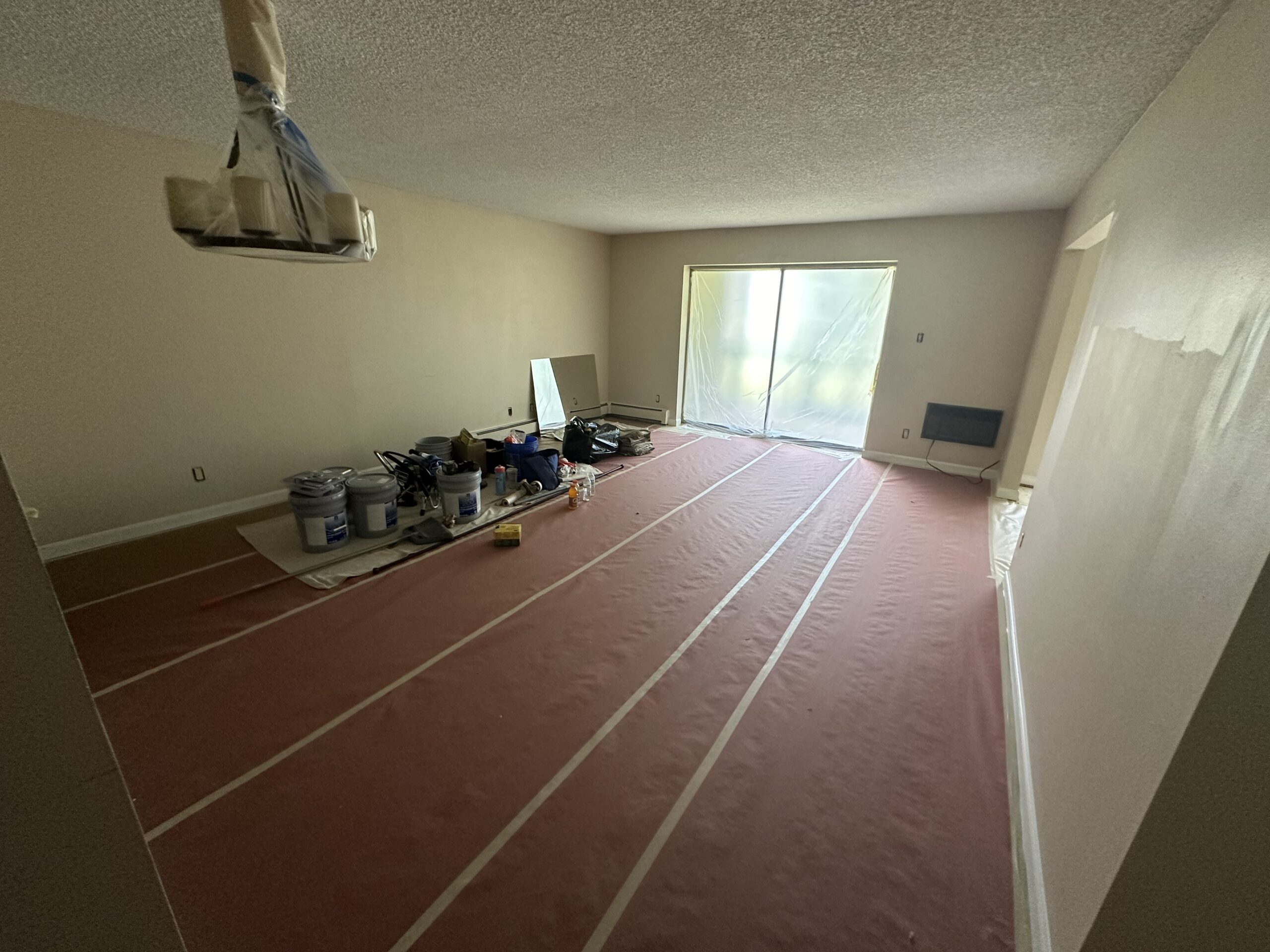
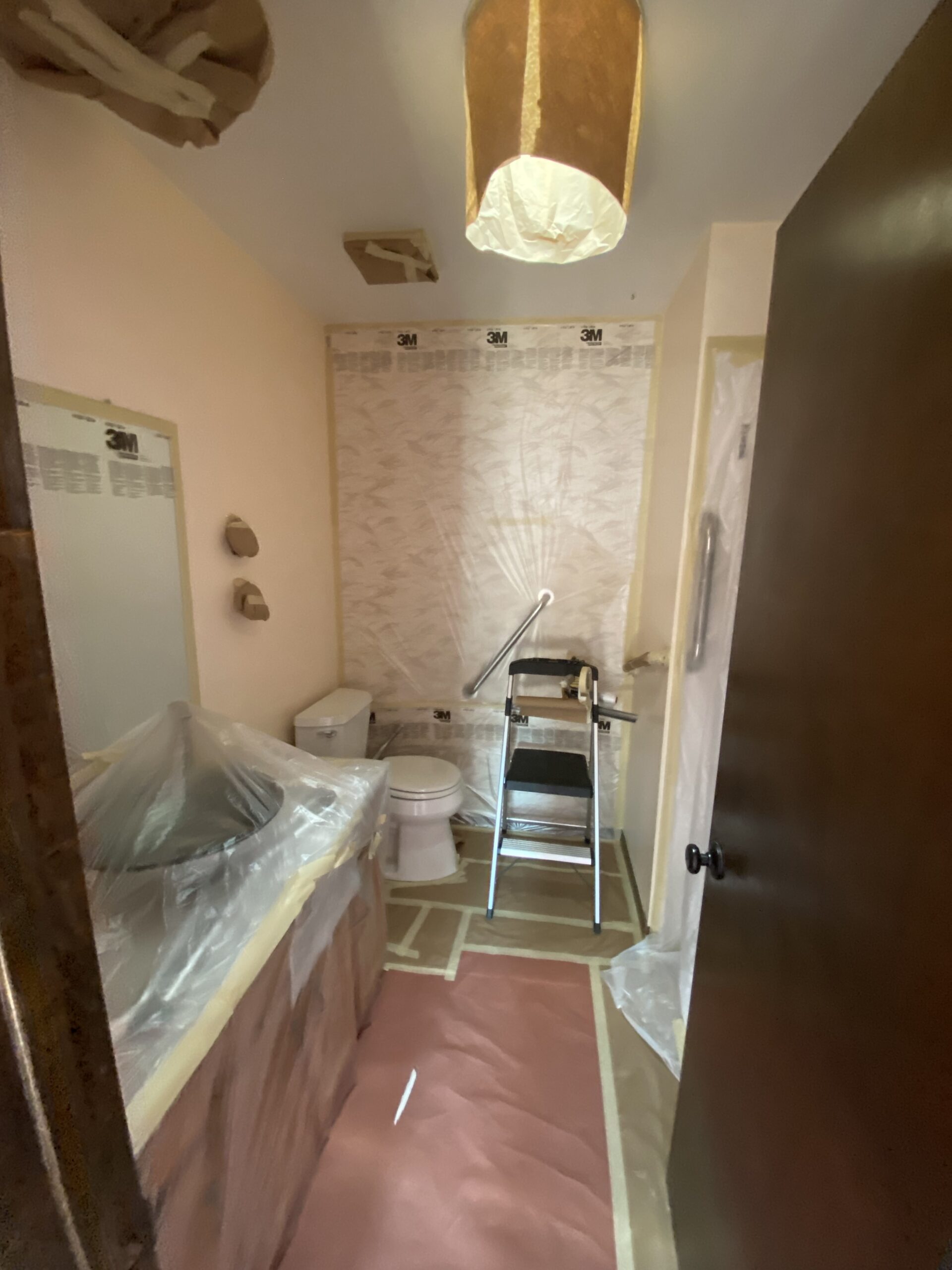
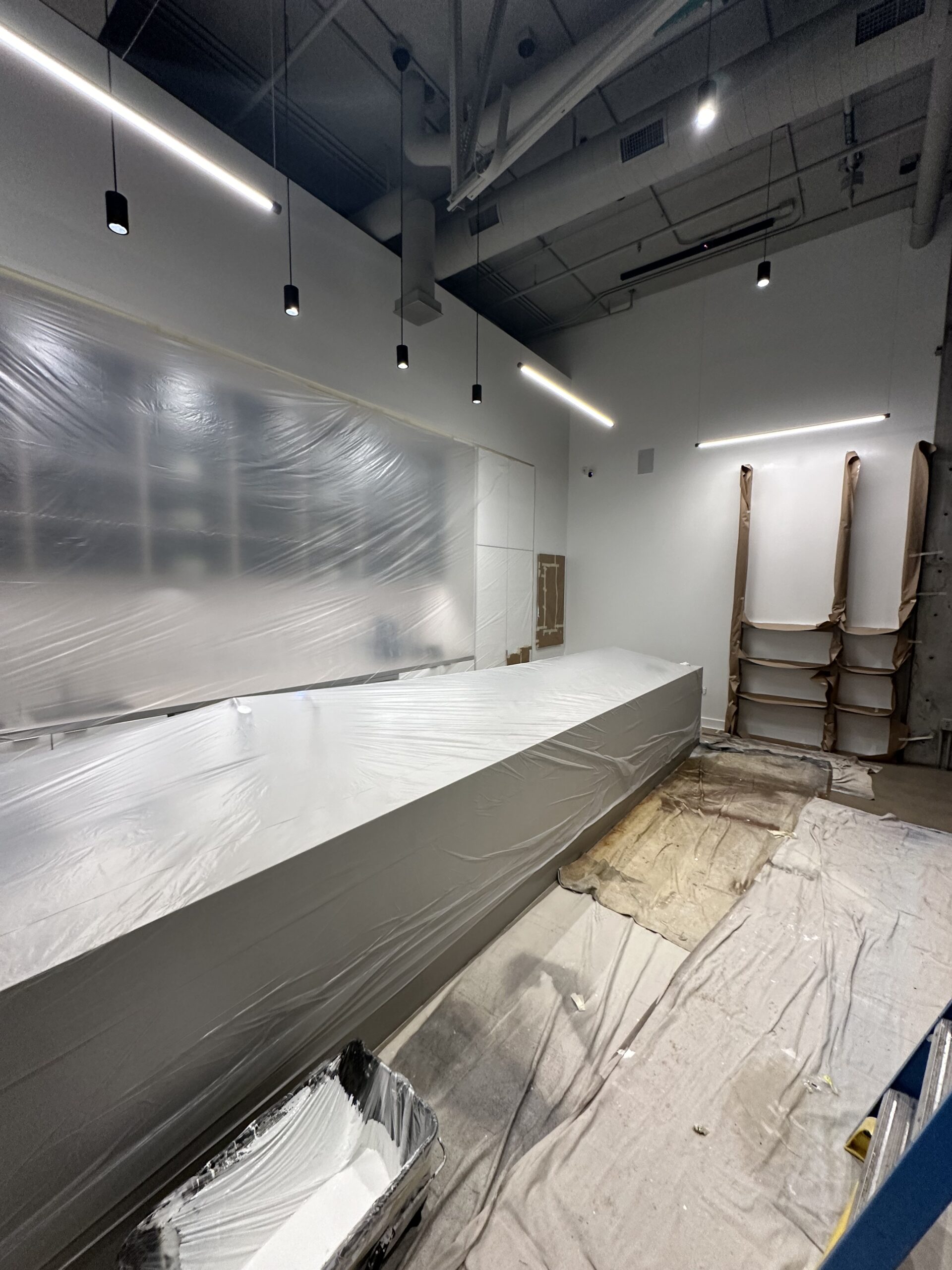
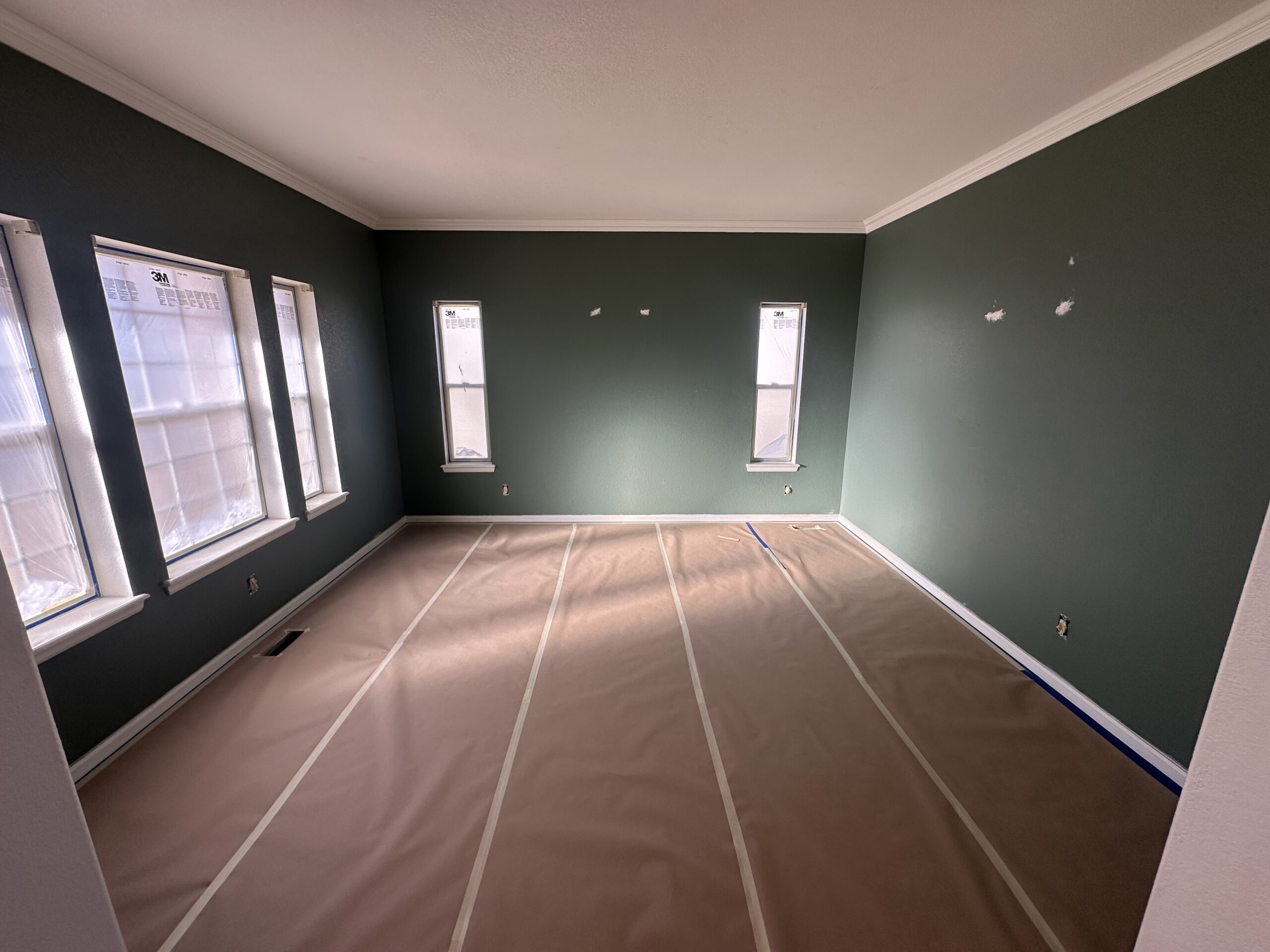
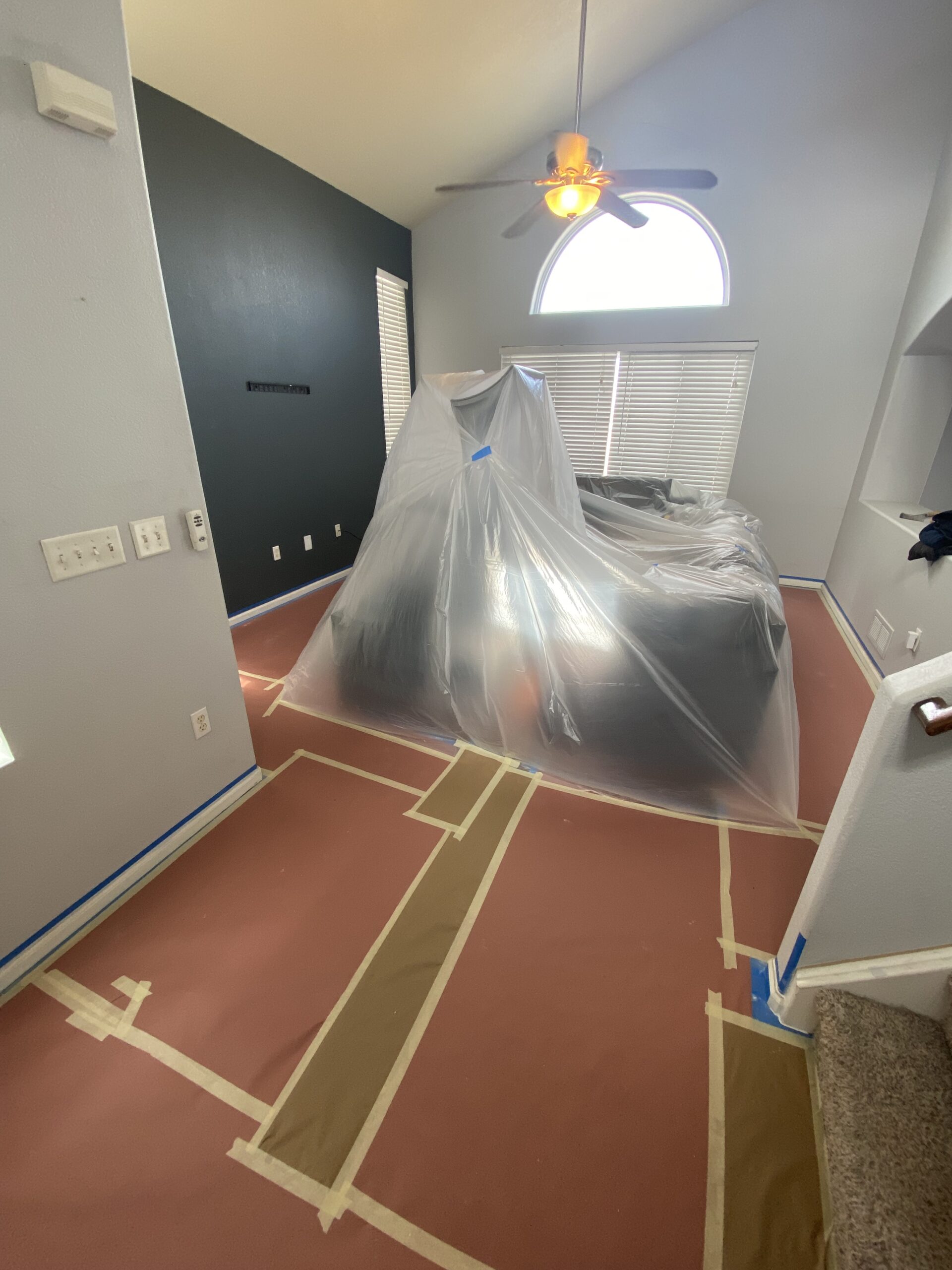
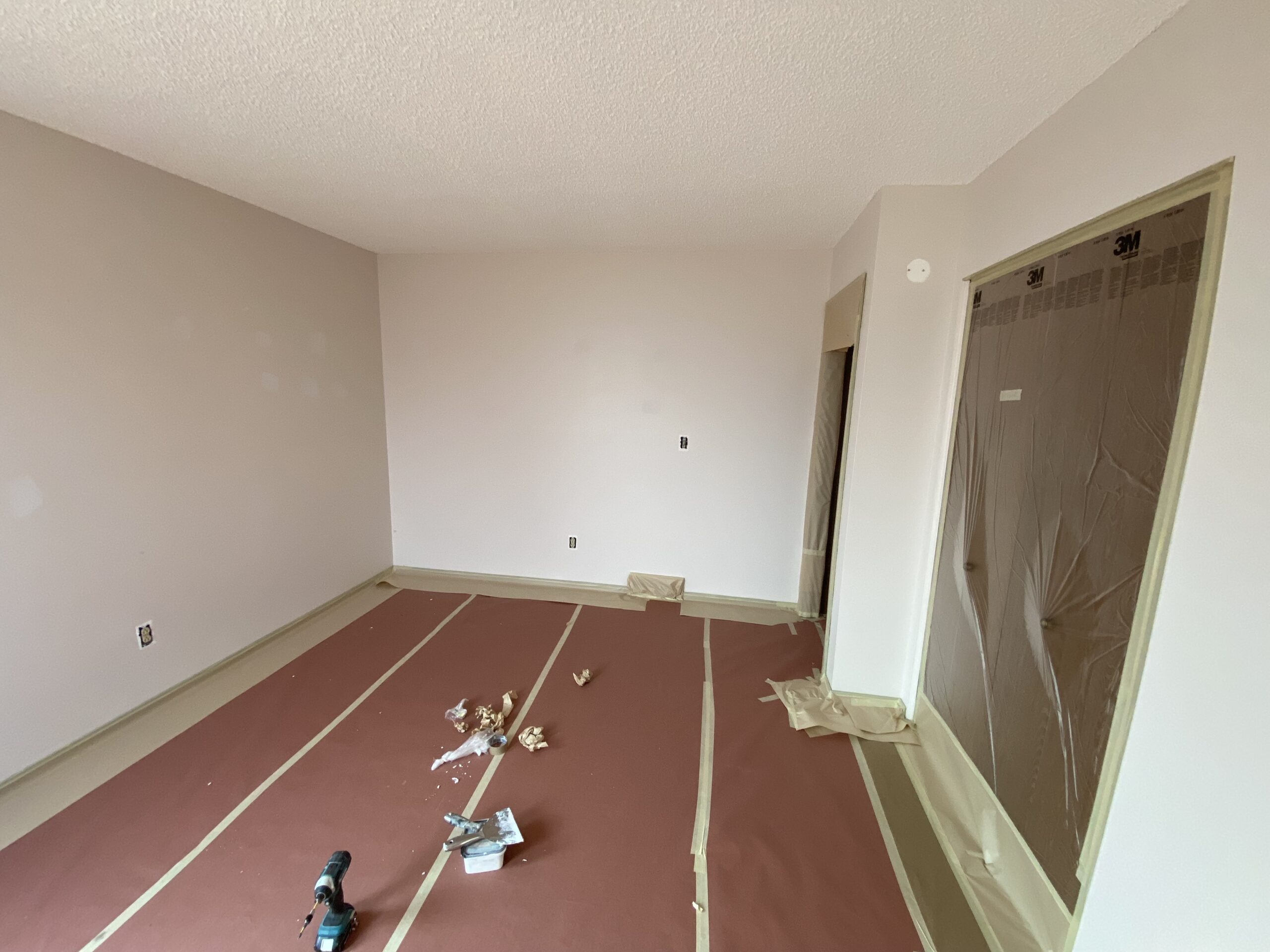
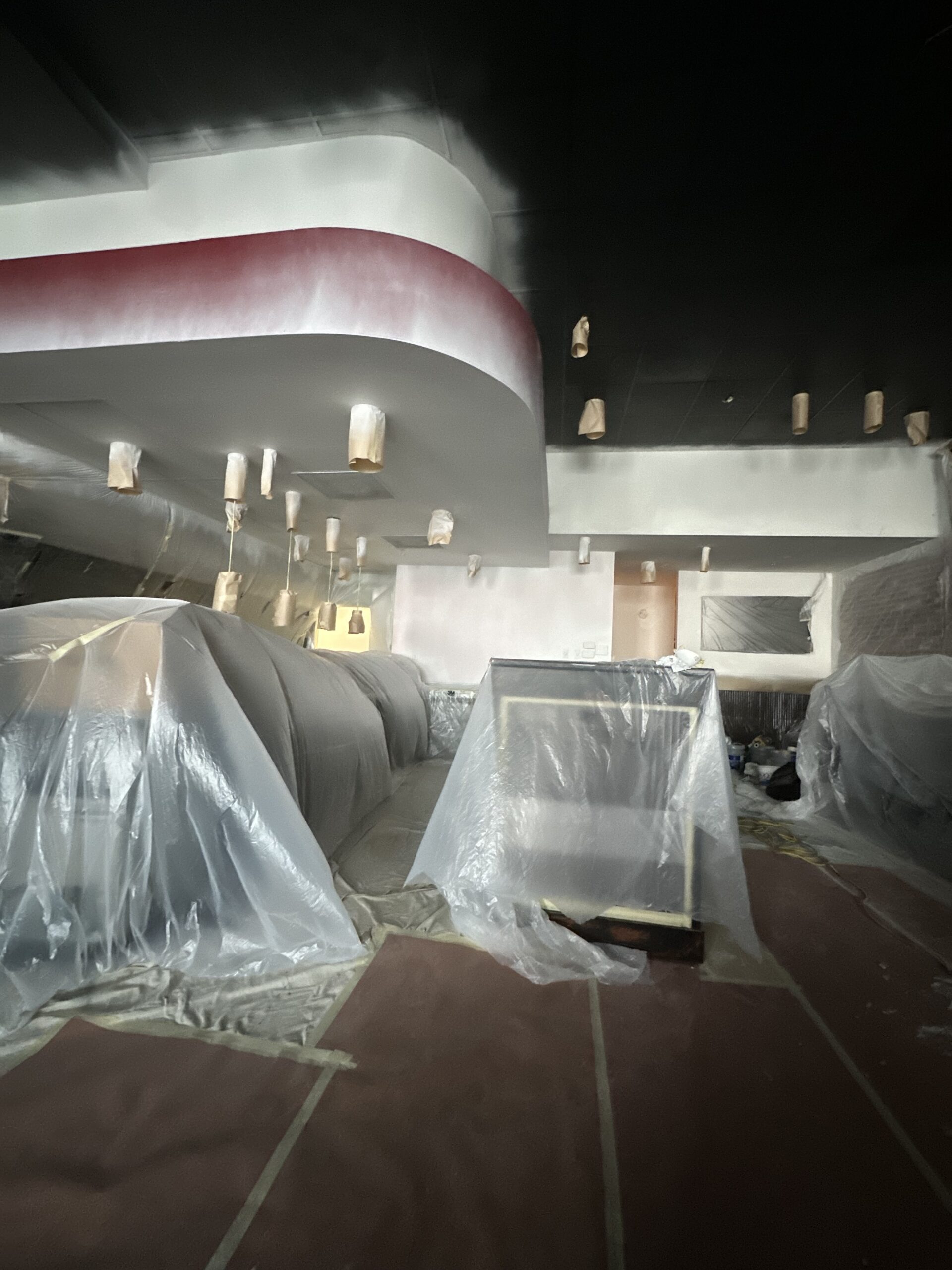
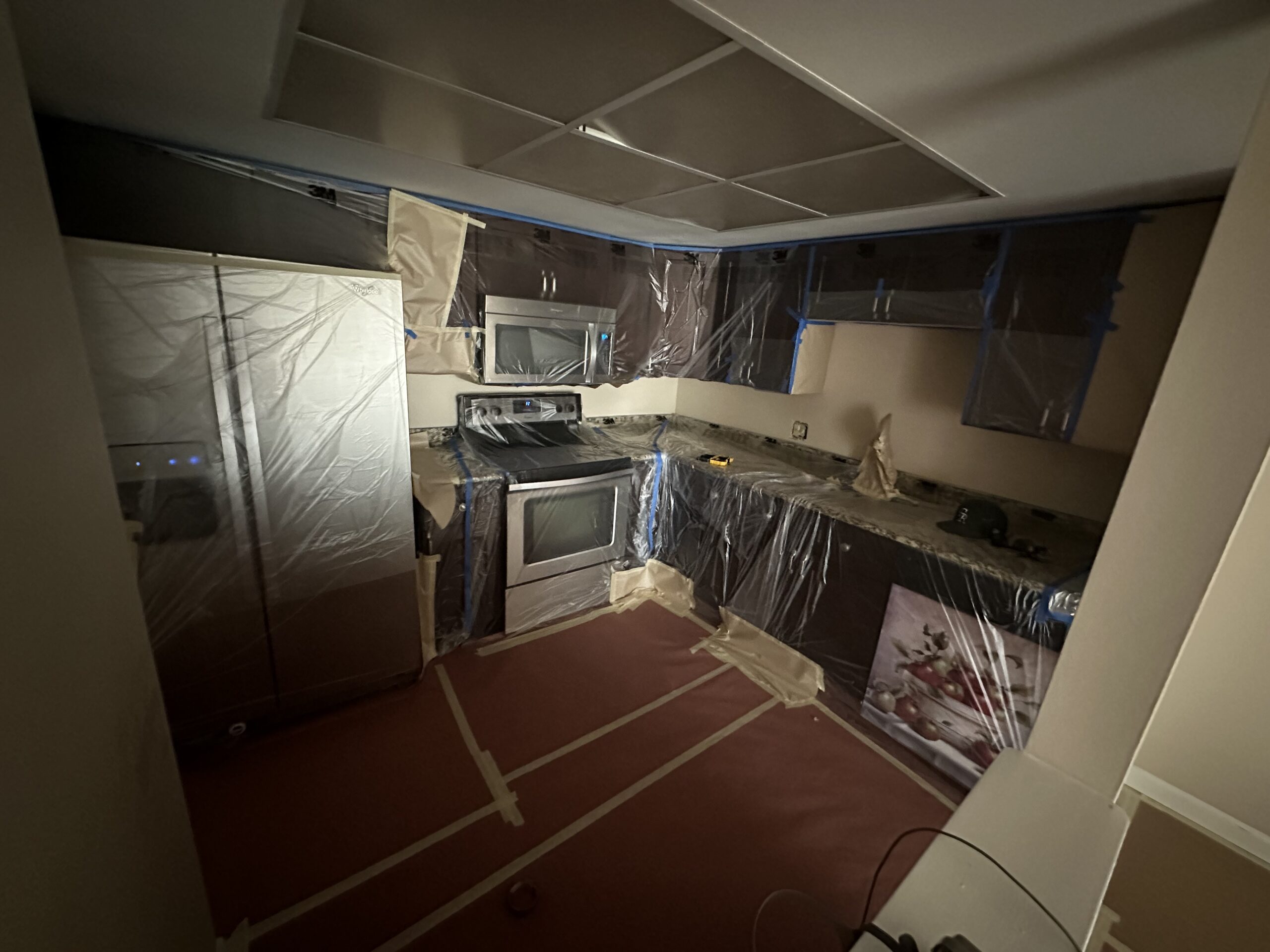
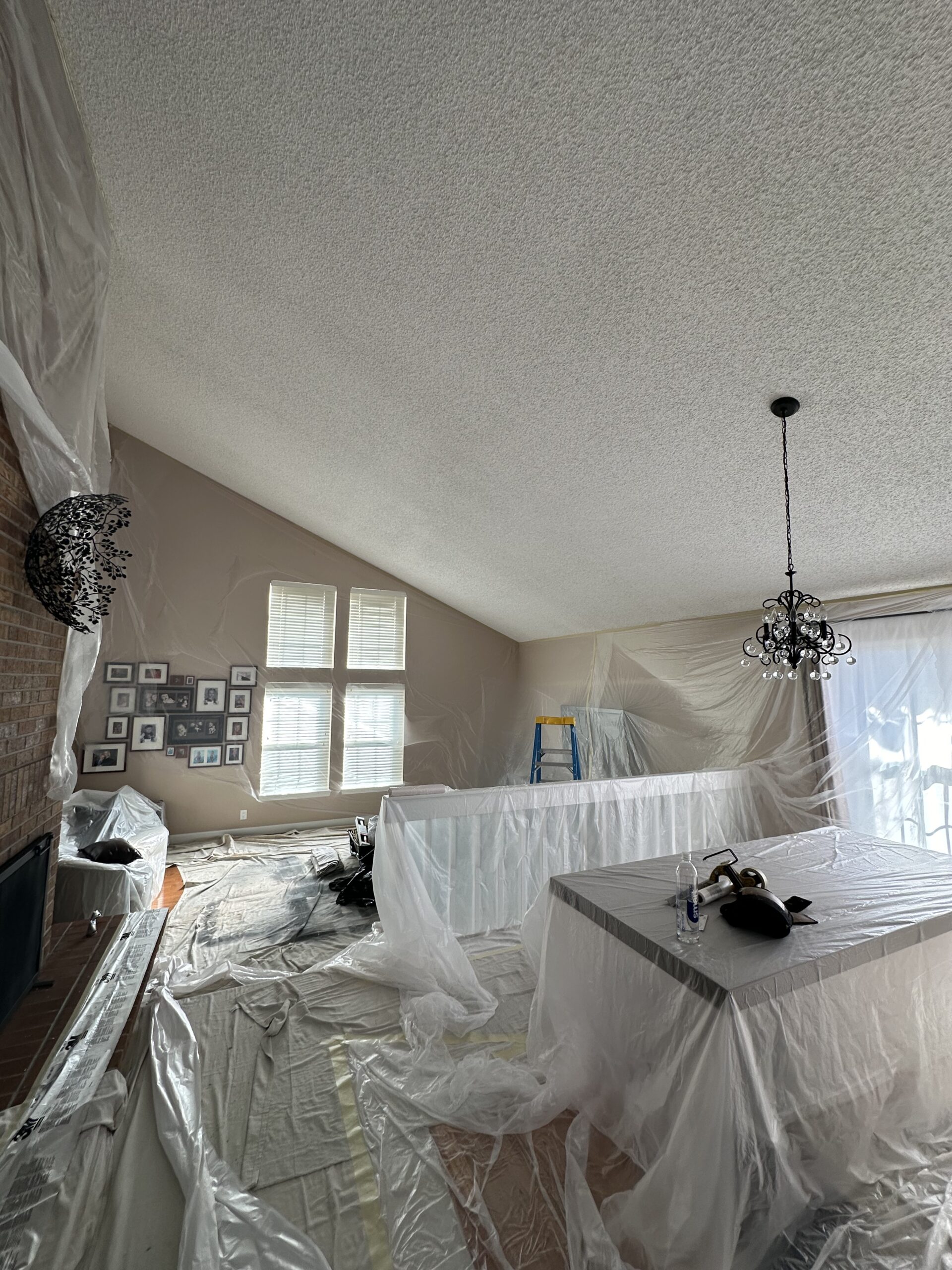
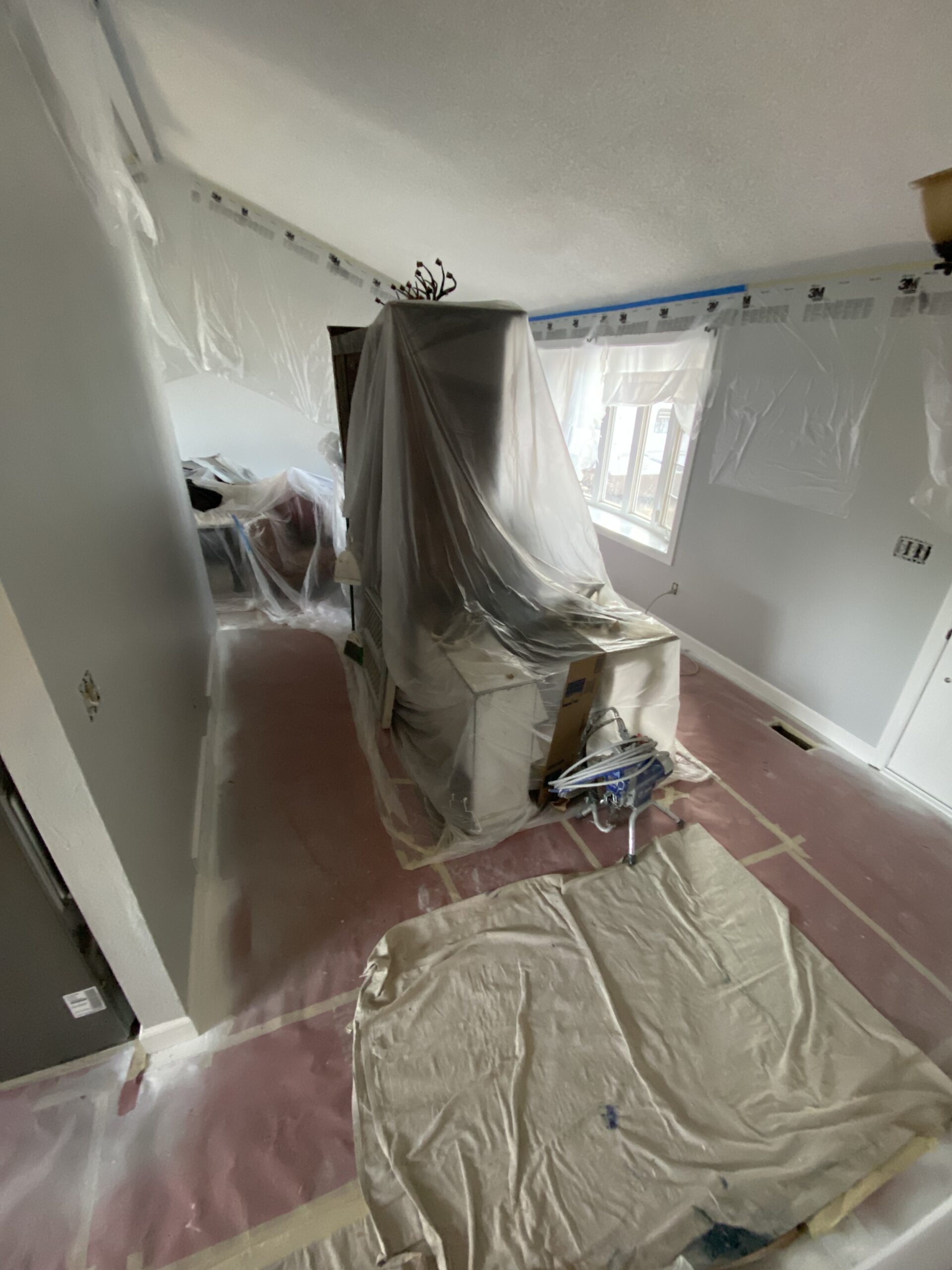
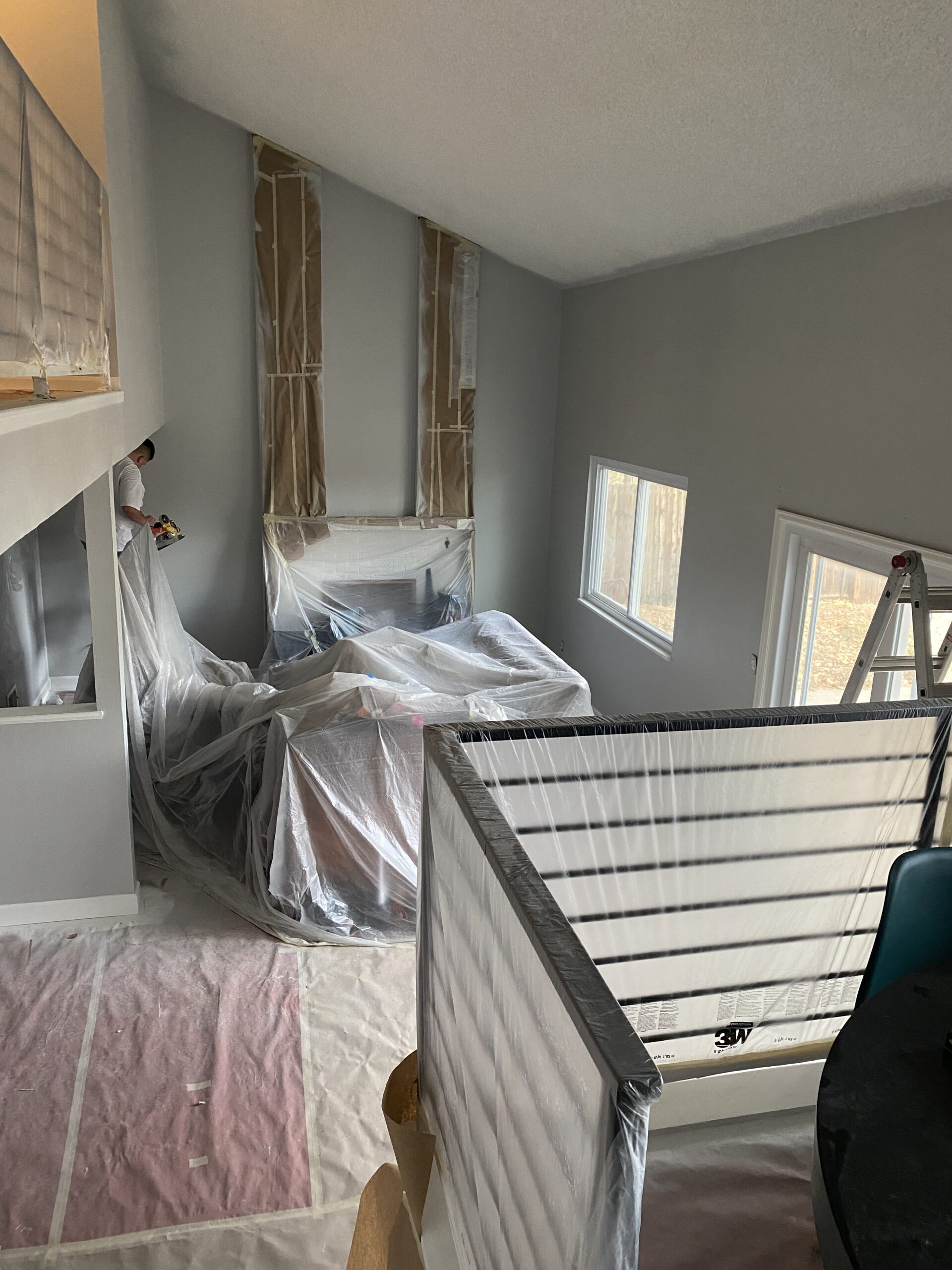
Once larger items are moved, our team will shift remaining furniture toward the center of the room, create a safe working perimeter along the walls, and cover floors and furniture with professional-grade protective materials.
Planning for Pets
For everyone’s safety, we recommend making a plan for pets during the painting process. If possible, arrange for pets to stay with a friend, family member, or in a secured area of the home. Keeping pets away from active work areas helps prevent them from walking through wet paint, getting startled by tools or ladders, or accidentally escaping through open doors.
If pets must remain in the home, please discuss this with your project manager in advance. Painting just a few rooms is usually easier to accommodate than a full interior repaint. Our goal is to keep your pets, your home, and our crew safe at all times.
Paint Odors and VOCs
Most modern paints are low-VOC, meaning they contain fewer volatile organic compounds that can cause odors or irritation. Some odor is still normal during an interior painting project.
VOCs are regulated by state laws and paint manufacturers. Using an airless sprayer typically releases more odor into the air than brushing or rolling. Certain specialty products, such as oil-based paints, may require additional ventilation.
If you have asthma, chemical sensitivities, or other health or breathing concerns, please let us know ahead of time so we can plan accordingly.
For bedrooms, it is usually safe to sleep in a freshly painted room the same night. We recommend opening windows as soon as possible to help ventilate the space. If you experience headaches or discomfort, choosing another room for the night may be more comfortable. Discussing sleeping arrangements ahead of time can help ensure comfort throughout the project.
Home Accessibility During the Project
We aim to respect your daily routine while completing quality work, but certain areas of the home may need to be temporarily restricted.
For example, when painting a kitchen, cabinets, countertops, and appliances may be covered during the day. In bedrooms, furniture may remain protected and shifted away from walls overnight.
To reduce inconvenience, we can coordinate lunch breaks so kitchens are accessible mid-day and restore partial access to kitchens and bedrooms at the end of each workday. If you work from home or rely on specific spaces, a brief conversation ahead of time allows us to plan around your schedule.
Crew Workspace
Our team will need a designated area to store tools, materials, and paint during the project. An ideal workspace is approximately five feet by ten feet. An indoor area is preferred, but a garage can also work if needed.
This space allows our crew to stay organized, safely store materials such as multiple gallons of paint, and keep tools out of high-traffic areas. Professional painters arrive fully equipped with all necessary tools and protective coverings to safeguard your home.
Final Thoughts
Every interior painting project is unique, but these guidelines cover the most common preparation steps homeowners should expect. The best way to avoid surprises is to have a brief conversation with your project manager before work begins. Often, just 15 minutes can make a big difference.
At One Above Painting, our goal is to return your home to you in better condition than we found it, with minimal disruption and exceptional results. While interior painting does involve some short-term inconvenience, proper preparation helps us complete the project efficiently, safely, and beautifully.